 Home
Home HEM LCD
  Dec 27,2025
Understanding TFT Display Technology from a Manufacturer’s Perspective
Introduction: Why Display Modules Matter in Modern Devices
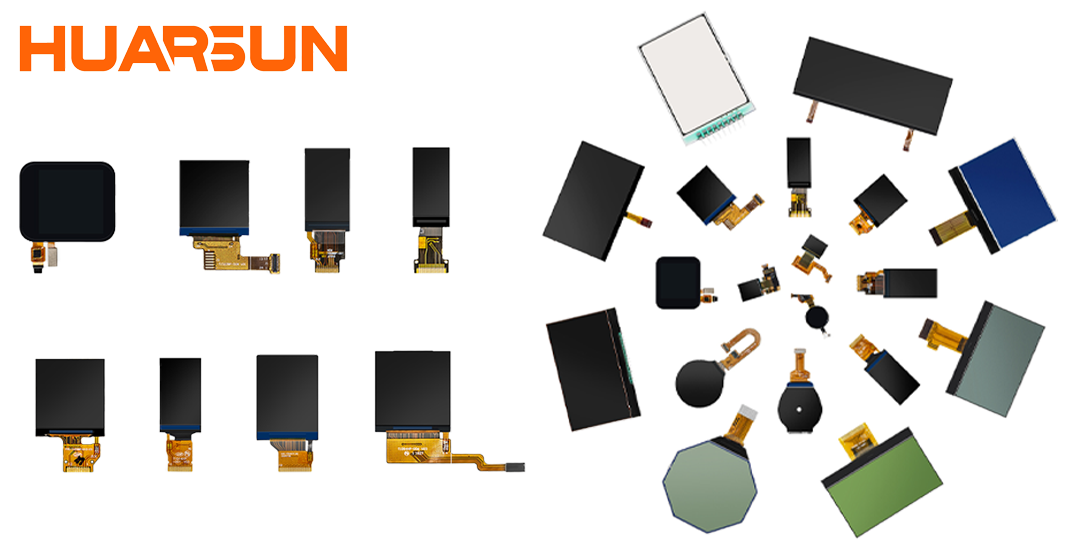
In today’s electronic products, display modules are no longer optional components — they are a core part of user interaction and product differentiation.
From smart devices, industrial controllers, handheld terminals, to AI-powered electronics, the display serves as the bridge between system logic and user experience. For manufacturers and product developers, choosing the right display module directly affects:
-
Product stability
-
Development cycle
-
User experience
-
Cost control
-
Long-term supply reliability
As a professional display module manufacturer, we often find that many buyers understand what they want to display, but not how display modules actually work or how to select the right one.
This article explains the fundamentals of display modules, from structure and parameters to firmware and manufacturing — written specifically for B2B buyers and engineers.
1. What Is a Display Module?
A display module is not just a screen.
It is an integrated functional unit consisting of:
-
Display panel
-
Driver IC
-
Interface circuit
-
Backlight system (for TFT)
-
FPC connection
Together, these components allow the host system to output images, text, and UI elements.
In industrial and commercial products, display modules are widely used in:
-
Smart devices
-
Industrial control panels
-
Measurement instruments
-
Medical equipment
-
Wearable and portable devices
Unlike consumer screens, industrial-grade display modules prioritize stability, consistency, and long-term supply.
2. Core Structure of a Display Module
2.1 Display Panel
The panel determines:
-
Screen size
-
Resolution
-
Viewing angle
-
Brightness
Common types include:
-
TFT Display Module – Color display, high compatibility
-
LCD Display Module – Low power, stable performance
-
AMOLED Display – High contrast, thin structure
Among them, TFT display modules are currently the most widely used in embedded and industrial applications due to their balance of cost, performance, and maturity.
2.2 Driver IC – The Core of the Display
The display driver IC controls:
-
Pixel addressing
-
Refresh timing
-
Data conversion
-
Communication with MCU
Even displays with identical size and resolution may behave very differently if the driver IC changes.
This is why:
-
Firmware compatibility is critical
-
Initialization code must match the IC
-
Early selection of the driver saves development time
For B2B projects, driver stability is often more important than raw performance.
2.3 Interface Types
The interface defines how the display communicates with the main board.
Common types include:
-
SPI Display – Simple, low pin count, widely used
-
MCU Interface – Easy integration
-
RGB Interface – High refresh rate
-
MIPI Interface – High-speed, compact design
For most embedded and portable devices, SPI TFT displays offer the best balance between performance and system complexity.
2.4 Backlight System
For TFT modules, the backlight determines:
-
Brightness level
-
Power consumption
-
Outdoor visibility
-
Product lifespan
Professional-grade displays use:
-
High-uniformity LED backlight
-
Optimized power control
-
Long-life design (20,000–50,000 hours)
3. Key Parameters Buyers Should Understand
When selecting a display module, the following parameters are critical:
✔ Resolution
Defines display clarity.
Higher resolution means clearer images but higher data load.
Higher resolution means clearer images but higher data load.
✔ Screen Size
Common sizes for embedded devices:
-
0.96”
-
1.28”
-
1.44”
-
2.0” – 2.4”
✔ Operating Voltage
Typical logic voltage: 3.3V
Backlight voltage varies by design.
Backlight voltage varies by design.
✔ Operating Temperature
Industrial-grade modules usually support:
-20°C to +70°C
-20°C to +70°C
✔ Brightness
Measured in cd/m², important for outdoor or high-light environments.
4. Hardware, Firmware & Software – How They Work Together
Many project delays happen because this relationship is misunderstood.
-
Hardware → Display module itself
-
Firmware → Controls display initialization and timing
-
Software → Controls UI and content
If any one of these is mismatched:
-
The screen may stay white
-
Colors may be incorrect
-
Display may flicker or fail
This is why professional manufacturers always provide:
-
Datasheets
-
Driver IC information
-
Initialization code reference
5. Common Problems We See in Projects
From a manufacturer’s perspective, the most common issues include:
❌ Choosing displays by size only
❌ Ignoring driver IC differences
❌ No consideration of long-term supply
❌ Incompatible interface selection
❌ Lack of sample testing
❌ Ignoring driver IC differences
❌ No consideration of long-term supply
❌ Incompatible interface selection
❌ Lack of sample testing
These problems often lead to:
-
Development delays
-
Redesign costs
-
Production instability
6. Manufacturing & Quality Control Process
A reliable display module manufacturer follows strict processes:
-
Panel selection & incoming inspection
-
Driver IC bonding (COG / COB / COF)
-
FPC assembly
-
Backlight installation
-
Electrical testing
-
Aging test
-
Final QC inspection
Each step directly impacts:
-
Display lifetime
-
Stability
-
Yield rate
This is why choosing a factory with in-house testing capability is critical for B2B projects.
7. How to Select the Right Display Module
We recommend the following process:
1️⃣ Define application scenario
2️⃣ Confirm interface type
3️⃣ Select size & resolution
4️⃣ Verify driver IC support
5️⃣ Request datasheet & sample
6️⃣ Validate firmware compatibility
7️⃣ Confirm long-term supply
2️⃣ Confirm interface type
3️⃣ Select size & resolution
4️⃣ Verify driver IC support
5️⃣ Request datasheet & sample
6️⃣ Validate firmware compatibility
7️⃣ Confirm long-term supply
This approach helps reduce risk and shortens development time.
8. Conclusion: Choosing the Right Partner Matters
As electronic products become more intelligent, display modules are no longer simple components — they are part of the product experience.
For OEM and ODM customers, working with a reliable display manufacturer means:
-
Stable supply
-
Technical support
-
Customization capability
-
Faster time-to-market
Understanding display technology is the first step toward building better products.
 Small-Size TFT & AMOLED Displays
 May 17,2025