 Home
Home HEM LCD
  Jan 19,2026
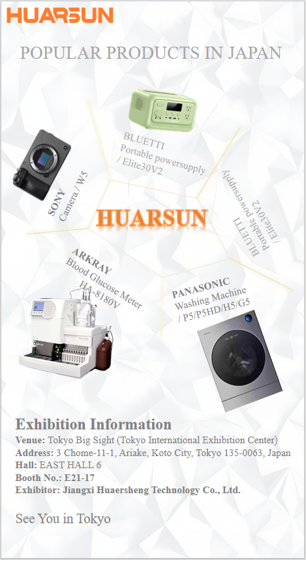
Exhibition Information:
-
Venue: Tokyo Big Sight (Tokyo International Exhibition Center)
-
Address: 3 Chome-11-1, Ariake, Koto City, Tokyo 135-0063, Japan
-
Hall: EAST HALL 6
-
Booth No.: E21-17
-
Exhibitor: Jiangxi Huaersheng Technology Co., Ltd.
1. Why Small-Size Color Displays Are Becoming a Key Component
In today’s rapidly evolving electronics market, display modules are no longer just components that “show information.”
They have become a critical interface between humans and devices.
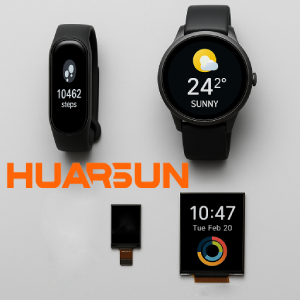
From wearables and smart home terminals to industrial controllers and medical equipment, small-size TFT and AMOLED color displays are increasingly adopted to deliver clearer information and more intuitive interaction.
For newcomers to the electronics industry, display modules are often underestimated. However, they can significantly affect:
-
User experience
-
Power consumption
-
System stability
-
Product differentiation
That is why display selection is no longer a late-stage decision—it is a core system choice.
2. From Specifications to Systems: How Display Modules Fit Into a Device
A display module never works alone. It is closely connected to hardware structure, software, firmware, and power management.
A typical small-size TFT or AMOLED display module includes:
-
The display panel (TFT LCD or AMOLED)
-
Driver IC (controls pixel behavior)
-
FPC (flexible printed circuit for signal and power)
-
Backlight system (for TFT LCD)
-
Interface protocol (SPI, RGB, MIPI, etc.)
To function properly, the display must work seamlessly with:
-
MCU or SoC
-
UI design
-
Firmware logic
-
Power supply system
Only when these parts are well-matched can a product achieve:
-
Stable display performance
-
Fast response
-
Low power consumption
-
Long-term reliability
This is why working with an experienced display module manufacturer can greatly reduce development risks.
3. What Jiangxi Huaersheng Is Presenting at Tokyo Big Sight
At this exhibition, Jiangxi Huaersheng Technology Co., Ltd. will focus on showcasing:
-
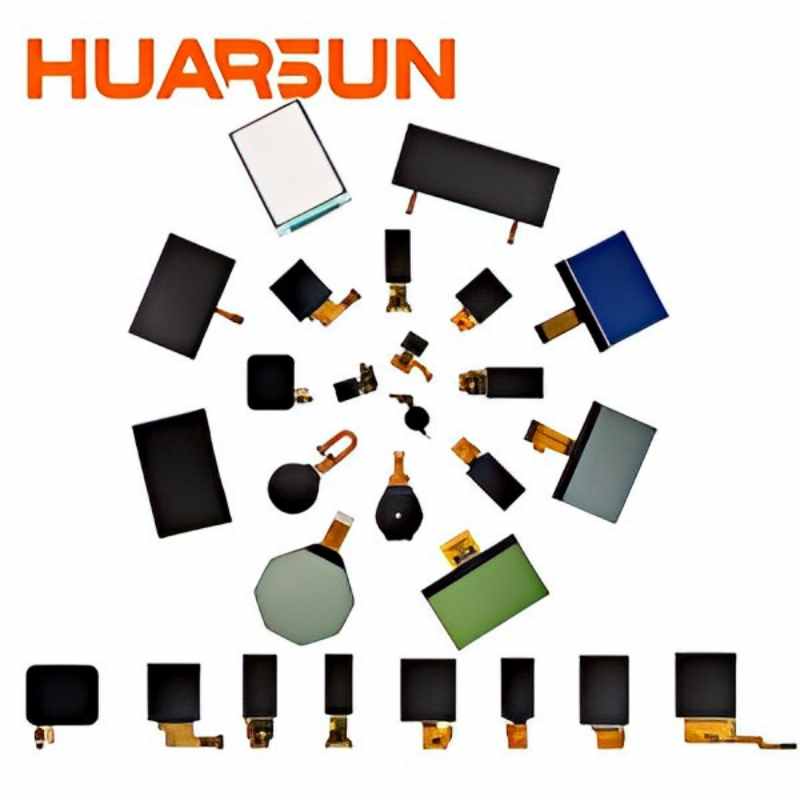
Small-size TFT color display modules (0.39–2.0 inch)
-
AMOLED display solutions
-
Multiple interface options (SPI / RGB / MIPI)
-
Thin and compact module designs for limited spaces
-
Display solutions designed for mass production
Rather than highlighting only specifications, we focus on how displays are actually integrated into real products.
4. A Manufacturer’s Perspective: What Makes a Display Suitable for Mass Production
In real projects, many challenges appear not during design—but during mass production:
-
Mechanical mismatch between display and housing
-
Interface incompatibility causing repeated firmware changes
-
Unstable supply affecting product launch schedules
Based on years of manufacturing and delivery experience, we emphasize:
-
Mechanical compatibility at the module level
-
Standardized and clear interface definitions
-
Batch consistency and long-term reliability
-
Factory-direct supply to reduce lead time and cost
This is why we insist on a manufacturer-direct model with technical collaboration, not just product sales.
5. Why Visit Booth E21-17 at EAST HALL 6?
Whether you are:
-
An engineer developing a new product
-
A buyer sourcing a reliable display supplier
-
Or a newcomer entering the electronics industry
You are welcome to visit our booth to discuss:
-
Basic display module selection principles
-
Interface and system matching ideas
-
Practical experience from mass production
-
Hands-on samples and real modules
Our goal is simple:
to make display technology easier to understand and easier to use.
6. See You in Tokyo
Tokyo Big Sight – EAST HALL 6
Booth No. E21-17
Jiangxi Huaersheng Technology Co., Ltd.
If you are looking for a reliable small-size TFT or AMOLED display module partner, we look forward to meeting you in Tokyo.
 Exhibition Showcase: Compact TFT & AMOLED Displays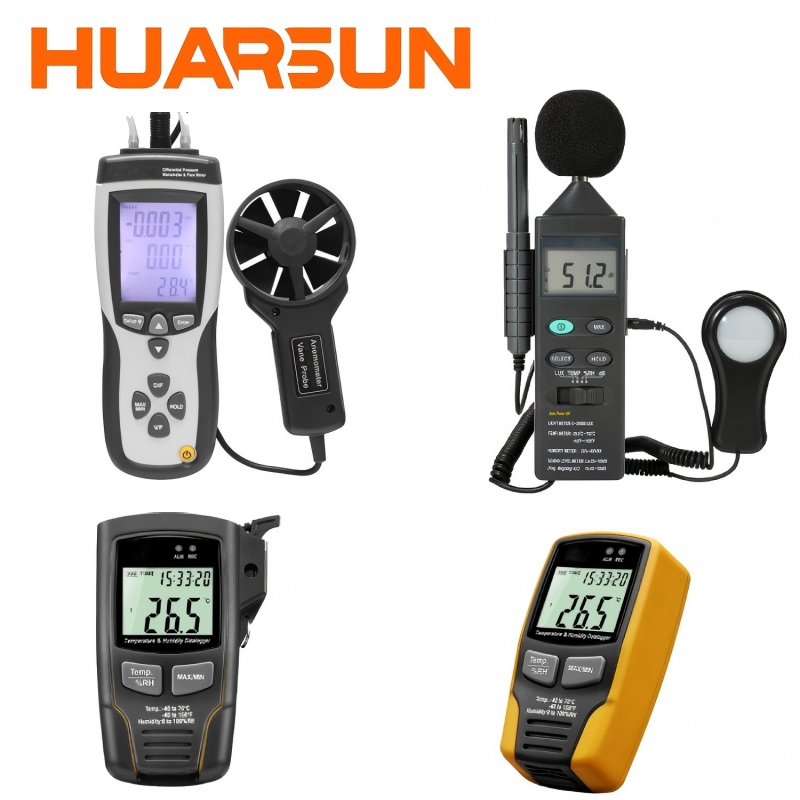
 Sep 28,2025